Persistence Of Vision

When an image is followed by another with subtle changes, it looks as if the previous image appears as though it is still in place, causing an animation effect, this technique is still used today in animation, a second of footage consists of 12 frames, this means that there is aproximately 21,600 frames in a thirty minute cartoon. This phrase was coined by Roman poet Lucretius.
 Thaumatrope
A scientific toy designed in the 19th century. a card disk with two pictures on either side when spinned looks as though the two images are one. The credit for this invention was given to either John Ayrton Paris who used one to show the persistence of vision.
Phenakistoscope
It wasn't until 1829 when the name Phenakistoscope was coined, it was a greek invention with no name where a disc with a certain amount of pictures placed on it. when spun, a separator was used to make each frame less blurry and the result was a mving image.
Zoetrope
The first Zoetrope was made around 100BC but it wasnt truly known as the Zoetrope until 1833 by British mathematician William George Horner, and it consisted of a spinning bowl with pictures around the inside. A long strip of pictures were layered around the inside with slits around the outside of the bowl, like the Phenakistoscope separating the frames.

Praxinoscope
The Praxinoscope was invented in france in 1877 in it has almost the same shape as the Zoetrope except it uses mirrors instead of slits, this separates the frames better and has an all in all better design.Kinetiscope
 The Kinetiscope was one of the first motion picturee devices ever created, it consisted of a cabinet containing a film that woud be hand cranked passed a peep hole. It was largely developed in the 1880's - 1890's by William Kennedy Laurie Dickson.
The Lumiere Brothers:
Auguste Lumiere was born on the 19th of October 1962, and Louis was born on the 5th of cotober 1864. The Lumiere brothers created the first film on the cinematographe of workers leaving their fathers shop.
When touring with their camera, they refused to sell it to film makers because they believed it was a gimmick and it wouldnt last long, they even declined an offer from george melies.
They also patented a colouring process for photography called the "monochrome lumiere".
Their first film was a 46 second long film of the workers leaving the lumiere factory, which was their dad's factory. The lumiere brothers first works now are considered in modern times, like a childs first time with a video camera, in the sense that they were filming random things like a baby having breakfast, which seems so mundane today, could have been considered as masterpieces back then.
William Horner:
 William Horner was born in 1786, and died on the 22nd of september 1837.
He invented the modern version of the zoetrope, which he coined as the daedaleum.
A zoetrope is a spinning cylinder which has a strip of paper attached to the inside of it, the strip of paper has a frame by frame animation which can be seen by spinning the cylinder and then peering through the slits to give it the impression of movement.
He called it the Daedaleum which was rumored to be link to the greek myth of daedalius, or the wheel of the devil.
Joseph plateau, invented the phenakistoscope at around the same time as the zoetrope came to exist, which had almost the same premise, except that the phenakistoscope discs were vertical.
Emile Reynaud:
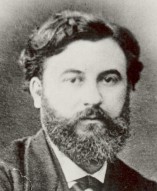 Charles Emile Reynaud was born on the 8th of December 1944, and died on the 9th of January 1918.
He was responsible for the invention of the praxinoscope in 1877.
The praxinoscope was nearly identical to William Horners Zoetrope, except instead of using slits, it had rectangular mirrors stationed around the middle of the cylinder, the viewer would watch the animation through the mirror as it split the frames up giving it a smoother animation.
The reason for the rectangular mirrors was so that multiple people didnt have to crowd around to enjoy the show, and so it could be viewed in low light.
Reynauds first film was called 'pauvre pierrot' and it was shown in paris.
Joseph Plateau:
 Joseph Antoine Ferdinand Plateau was born on the 14th of October 1801, and died on the 15th of September 1883.
Joseph was the first person to demonstrate the illusion of a moving image.
He created the Phenakistoscope which use discs that had slits inside of them, these discs would have a frame by frame animation on them, when you spun the phenakistoscope infront of a mirror whilst peering into the slits, it would give the illusion of the cartoons moving, this was one of the first known examples of animation.
Some sources will refer to the phenakistoscope as the 'Phantasmascope' as that was its brand name, they felt like the original name didn't have much memorability.
If you tried looking at a phenakistoscope through a mirror without looking through the slits, you would see a blur as the slits separate the frames to make it smooth.
Edward Muybridge & Edison:
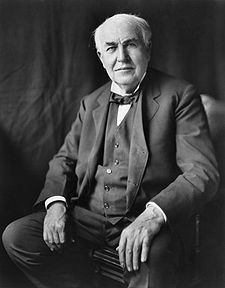
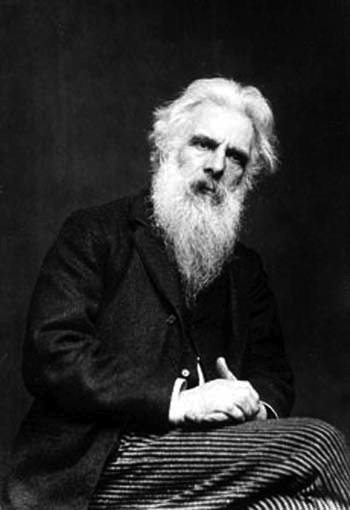 Edward was known as the 'motion picture father'
One of their first films, 'A horse in motion' was created to prove that horses float in mid-air while running for a brief second.
To do this, he set up 50 cameras to go off , one after the other and then stiched the photos together to give us the first ever instance of stop motion animation.
They invented the Kinetoscope, which basically means moving scope, it featured a complicated mechanism that would roll film past as you cranked the handle, the insides looked like conveyor belts of films, that made it easier to transport the film past the scope.
Edison was given full credit for coming up with the kinetoscope, even though it was his assistant that did all of the work.
Sources:
http://prezi.com/txwim3ync2ql/william-horner/
http://www.slideshare.net/elliebuchan9/auguste-and-louis-lumiere
http://www.slideshare.net/elliebuchan9/emile-reynaud
http://www.slideshare.net/elliebuchan9/joseph-plateau
http://www.slideshare.net/elliebuchan9/stop-motion-powerpoint-26230079
http://www.slideshare.net/elliebuchan9/zoetrope
http://www.slideshare.net/elliebuchan9/joseph-plateau-jack-and-sam
http://www.slideshare.net/elliebuchan9/charles-emile-reynaud-improved-1
http://www.slideshare.net/elliebuchan9/kinetoscope

Mikey,
ReplyDeleteThis is a good first draft and if sections 2 and three were the same you would be looking at a merit.
You have not sourced the information correctly, you should say where the information is from, listing our blog as a reference for all of this is just lazy!
EllieB